Supreme Court Rejects Plea Seeking Rotation Of SC/ST Reserved Seats In Lok Sabha, State Assemblies
· Free Press Journal
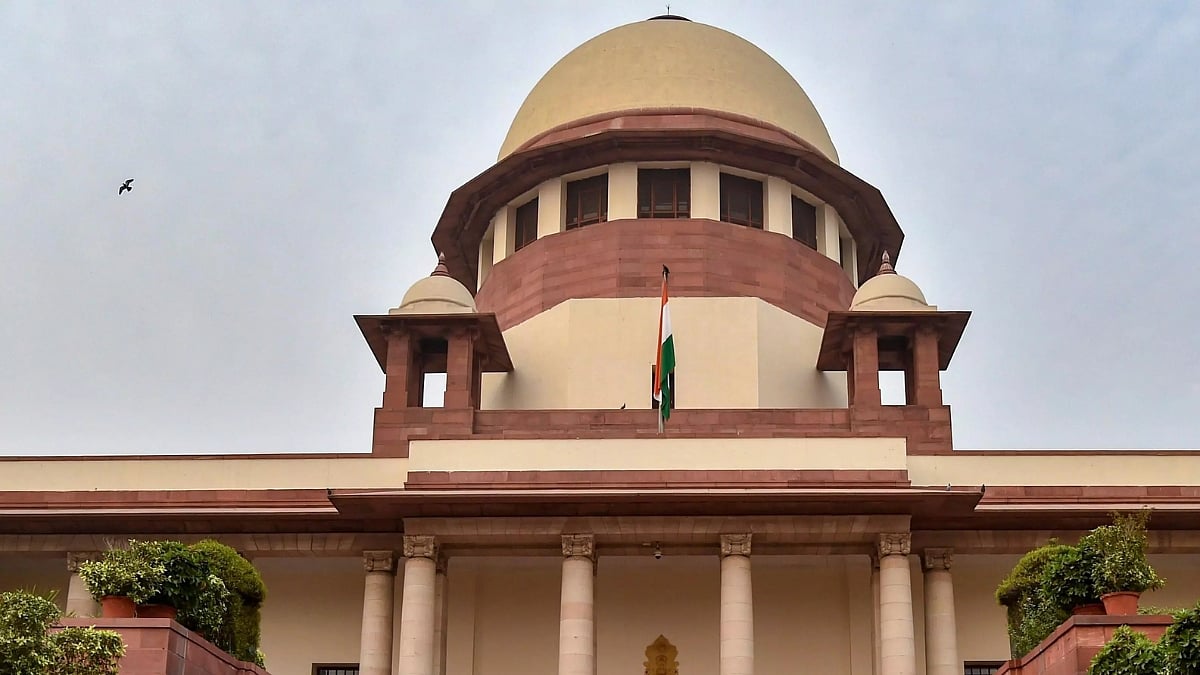
The Supreme Court on Wednesday rejected a plea seeking mandatory rotation of constituencies reserved for Scheduled Castes (SCs) and Scheduled Tribes (STs) in Parliament and state legislative assemblies, holding that the matter falls within Parliament’s legislative domain.
A bench comprising Chief Justice of India Surya Kant and Justices Joymalya Bagchi and V. Mohana refused to interfere with an Allahabad High Court judgment that had upheld Section 9(1)(c) of the Delimitation Act, 2002, and declined to direct the rotation of reserved constituencies.
Visit tr-sport.click for more information.
The court observed that it could not rewrite the Constitution or the law by introducing a rotation requirement that is not provided for under Articles 330 and 332 or the Delimitation Act.
Plea Challenged Long-Standing Reservation Of Constituencies
The petition challenged Section 9(1)(c) of the Delimitation Act, which provides that constituencies reserved for SCs and STs should, as far as practicable, be located in areas where the proportion of the respective communities is comparatively high.
The plea was linked to the continued reservation of the Kadipur Assembly constituency in Uttar Pradesh. It argued that keeping the same constituencies reserved for decades, in some cases for nearly six decades or longer, deprived voters and candidates from the general category of equal political opportunities and risked perpetuating caste divisions.
The petitioner also drew a comparison with the rotational reservation system applicable to panchayats and municipalities under Articles 243D and 243T of the Constitution.
'Dialling The Wrong Number': Supreme Court On Demand For Rotation
Rejecting the plea for judicially mandated rotation, the bench described the approach as “dialling the wrong number” and suggested that the petitioner approach elected representatives to build consensus for a change in the law.
The court noted that Articles 330 and 332 provide for reservation of seats for SCs and STs in the Lok Sabha and state legislative assemblies, with the number of seats determined in proportion to their population. However, these provisions do not prescribe a rotational mechanism for deciding which constituencies should be reserved.
Section 9(1)(c) of the Delimitation Act provides the relevant guidance by linking the selection of reserved constituencies, as far as practicable, to areas with a comparatively higher concentration of the communities concerned.
TMC Leaders Not Detained Or Arrested During October 10 Protest, Delhi Police Tells Supreme CourtCourt Says Rotation Is A Matter For Parliament
The bench indicated that whether the existing arrangement risks perpetuating caste divisions is a matter of policy for the legislature to consider, rather than a ground to declare the provision unconstitutional.
It also made clear that courts cannot issue a mandamus directing Parliament to enact a law introducing rotation of SC/ST-reserved constituencies in the Lok Sabha or state assemblies.
The Supreme Court, however, allowed the petitioner to submit a representation to elected representatives seeking legislative changes.
The ruling distinguishes the reservation framework for Parliament and state assemblies from that governing local bodies, where the Constitution expressly provides for rotation of reserved seats under Articles 243D and 243T.